CryptoBrief
Bitcoin mining difficulty rises 5.9% to 140.6 trillion, the biggest of seven adjustments
The next adjustment, expected around October 29, is estimated at +4.5%, according to mempool.space network data.
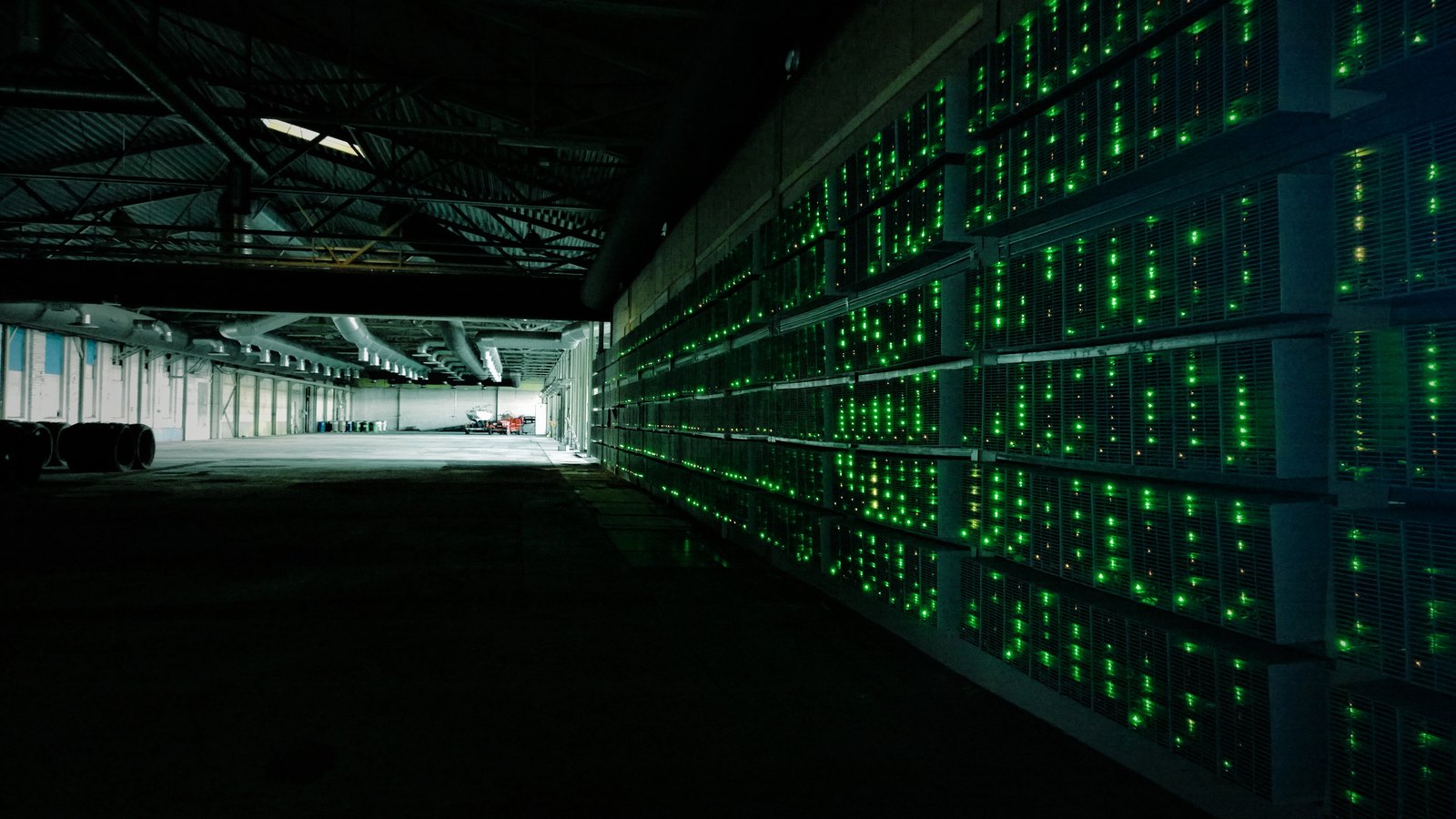
The difficulty of mining bitcoin, the measure of how hard it is to find a valid block, rose 5.92% on October 16 to a level of 140.58 trillion, according to network data from mempool.space.
What happened
Bitcoin's protocol adjusts mining difficulty every 2,016 blocks so that blocks keep arriving about every 10 minutes. The most recent adjustment, at block height 971,712 on October 16, raised difficulty by 5.92% from 132.72 trillion to 140.58 trillion. That is the largest of the last seven adjustments, which mempool.space lists back to July 25.
The adjustments were -0.74% (July 25), +0.99% (August 8), -1.31% (August 23), +1.31% (September 5), +4.16% (September 19), -0.03% (October 3) and +5.92% (October 16), according to the same data.
What comes next
The network is 50.4% of the way through the current 2,016-block period, with 999 blocks remaining. At the current pace, mempool.space estimates the next adjustment will take place around October 29 at block 973,728 and raise difficulty by 4.53%. An estimate can change if blocks are found faster or slower than expected.
Hashrate
The network's estimated hashrate was about 1.05 zettahashes per second (1.05 x 10^21 hashes per second). The daily average hashrate peaked at 1.18 zettahashes on October 6 within the three-month series. It was 1.09 on October 22.
What it means
Difficulty rises when miners add computing power. A higher difficulty makes mining more expensive for the same reward, which can squeeze smaller miners when the price of bitcoin falls.
Sources
- Difficulty adjustment — mempool.spaceData
- Mining hashrate and difficulty, 3 months — mempool.spaceData
More in Crypto
View All Crypto