Alstom cuts its margin outlook to 1% and expects a €1.5 billion cash outflow
The rail maker's first-half adjusted EBIT margin was around minus 4%; it traced the problems to the Coradia Max platform and German projects and set a deleveraging goal of about €2 billion.
Add FinanceInTime as a preferred source on Google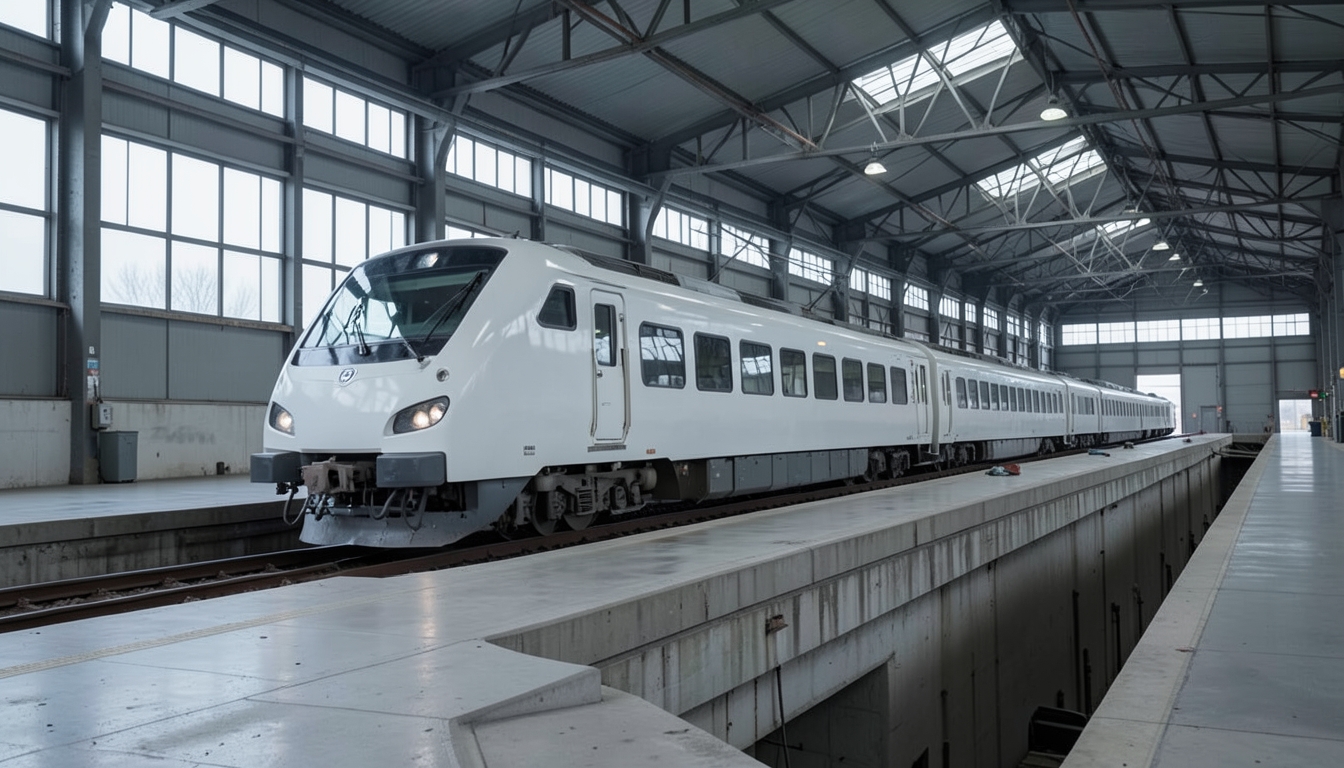
Alstom (Euronext Paris: ALO) cut its outlook for the fiscal year ending March 2027 on November 2, saying its adjusted EBIT margin will be around 1% rather than around 6.5% and free cash flow will be an outflow of €1.5 billion rather than positive, according to its preliminary first-half results.
A first-half margin of about minus 4%
The adjusted EBIT margin, which measures operating profit before one-off items as a share of sales, was around (4)% in the six months to September 30, against 6.4% a year earlier. Alstom attributed the decline largely to gross margin adjustments on projects executed for, and from, Germany. Sales were €9.3 billion, up 3% on a reported basis and 2% organically.
The company said additional technical issues and testing requirements surfaced on its Coradia Max regional train platform, and that stronger reviews of some of its most critical rolling stock projects showed more work and longer timelines than expected. These developments led to revised margins at completion on selected projects.
Alstom built 1,860 cars in the half, down 8% from 2,017 a year earlier. It said manufacturing of the Coradia Max was paused during the first quarter.
Orders held up while cash went out
Orders were €11.0 billion, up from €10.5 billion, with a book-to-bill ratio (orders divided by sales) of 1.2 for the half and 1.8 in the second quarter. Alstom kept its full-year book-to-bill guidance at above 1.
Free cash flow was an outflow of €1,248 million, compared with an outflow of €740 million in the same half a year earlier. Net debt was €1.1 billion at September 30, up from €0.4 billion at March 31. Alstom said it held €1.65 billion of cash and an undrawn €2.5 billion revolving credit facility, and on November 1 signed a new €2.0 billion short-term facility with no financial covenants.
What changed in the full-year guidance
| Measure, fiscal 2026/27 | New | Previous |
|---|---|---|
| Organic sales growth | Low- to mid-single digit | Around 5% |
| Car production | Around 4,000 | 4,400-4,500 |
| Adjusted EBIT margin | Around 1% | Around 6.5% |
| Free cash flow | €(1.5) billion | Positive |
Source: Alstom press release, November 2, 2026.
The new margin guidance implies about 6.5% in the second half. Alstom attributed the free-cash-flow change mainly to milestone payments shifting into later fiscal years because of extended homologation timelines and later entry into commercial service of major projects, including the Coradia Max.
Chief executive Martin Sion, who took the job in April 2026, said the announcement "reflects the consequences of this exercise with the objective to normalise the Group's performance from next fiscal year." Alstom expects performance to normalise from fiscal 2027/28 and trend toward an adjusted EBIT margin of 8-10% over the medium term.
A deleveraging target and decisions due by early 2027
Alstom set a deleveraging objective of around €2 billion. A review of its organizational and operational models is to lead to decisions by early 2027, and the company plans a Capital Markets Day in the second quarter of 2027.
Judge the plan by cash, not by the promised rebound
We think the guidance cut matters less than what it says about how cash arrives. Alstom's orders grew, so demand is not the problem the company describes; the problem is the delay between building a train and being paid for it. The risk is that a margin rebound to about 6.5% in the second half needs the same projects that just went wrong to run cleanly.
The opportunity is a full order book that, if execution improves, would turn into cash in later years. We would weigh free cash flow against the deleveraging target of around €2 billion before the margin promise, and we would change our view if further project reviews, which the company says will finish by fiscal year-end, bring new revisions.
The view in this final section is FinanceInTime's editorial opinion, for information only. It is not investment, tax, legal or other advice, and it does not take your circumstances into account. Forecasts are uncertain and past results do not guarantee future ones.
Sources
- Alstom's preliminary first half 2026/27 results — AlstomPrimary source
More in Business
View All Business