
Homebuilding spending drops 5.5% in September while nonresidential construction edges up
Residential construction fell to a $848.8 billion annual rate, the Census Bureau said, pulling total construction spending 1.9% below August.
Add FinanceInTime as a preferred source on Google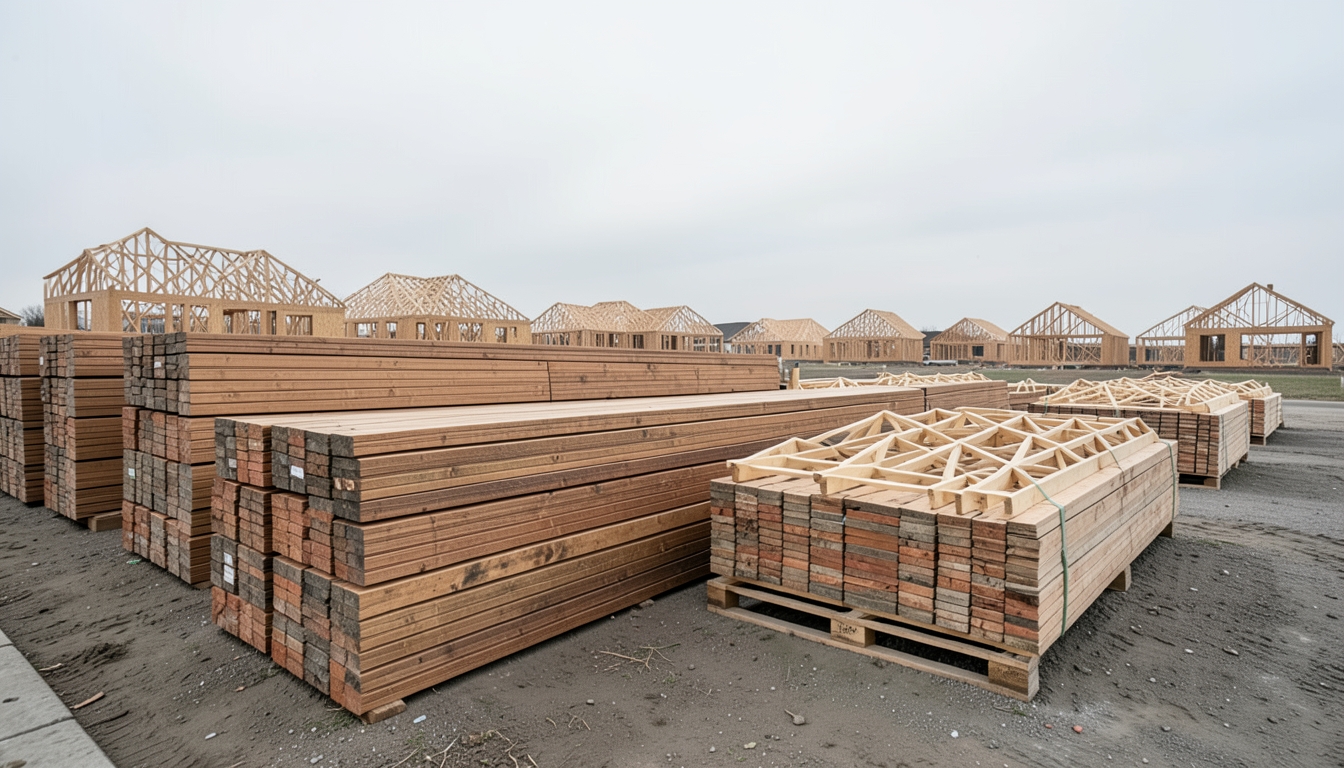
US residential construction spending fell 5.5% in September to a seasonally adjusted annual rate of $848.8 billion, while nonresidential spending rose 1.1%, the Census Bureau said on November 2. Total construction spending fell 1.9% from August.
Homes fell while other building rose
Total construction spending was estimated at a seasonally adjusted annual rate of $2,186.1 billion in September, 1.9% below the revised August estimate of $2,227.4 billion and 2.7% below September 2025, the Census Bureau said. The drop from August is $41.3 billion at an annual rate (computed).
Private construction spending was $1,639.3 billion, 2.4% below August. Within it, residential construction was $848.8 billion, 5.5% below the revised August estimate of $898.0 billion, a fall of $49.2 billion at an annual rate (computed). Nonresidential construction rose 1.1% to $790.6 billion from $782.3 billion, a rise of $8.3 billion (computed).
Residential construction made up 51.8% of private construction spending in September (computed).
Public building was flat
Public construction spending was $546.8 billion, 0.1% below August. The Census Bureau said educational construction was virtually unchanged at $113.1 billion and highway construction was $149.2 billion, 0.3% below August. For public construction the bureau's own margin of error exceeded the change, and it marks these changes with an asterisk.
Nine months of spending behind last year
During the first nine months of 2026, construction spending amounted to $1,649.6 billion, 2.9% below the $1,698.6 billion in the same period of 2025, the Census Bureau said.
The residential decline fits the housing data the same agency published earlier. Housing starts fell 5.2% in September to a 1.221 million annual rate, as FinanceInTime reported.
The release does not break out the reason for the residential drop within this text, and the figures are estimates that the Census Bureau revises in later months.
A drop in residential spending that nonresidential building did not follow
We think the release is best read as housing leading and the rest of construction not following. Residential spending fell by more than five times the dollar rise in nonresidential spending (computed from the $49.2 billion and $8.3 billion changes above), which is a pattern consistent with weaker housing starts, but the release does not show a cause.
The opportunity is that a pause in homebuilding can limit new supply pressure on prices; the threat is that fewer homes under construction keep inventory tight for buyers. We expect residential spending to stay soft in the next two releases if mortgage rates stay above last year's levels, and we would change that view if starts and permits turn up. We do not call a market bottom.
The view in this final section is FinanceInTime's editorial opinion, for information only. It is not investment, tax, legal or other advice, and it does not take your circumstances into account. Forecasts are uncertain and past results do not guarantee future ones.
Sources
- Monthly Construction Spending, September 2026 — US Census BureauPrimary source
More in Real Estate
View All Real Estate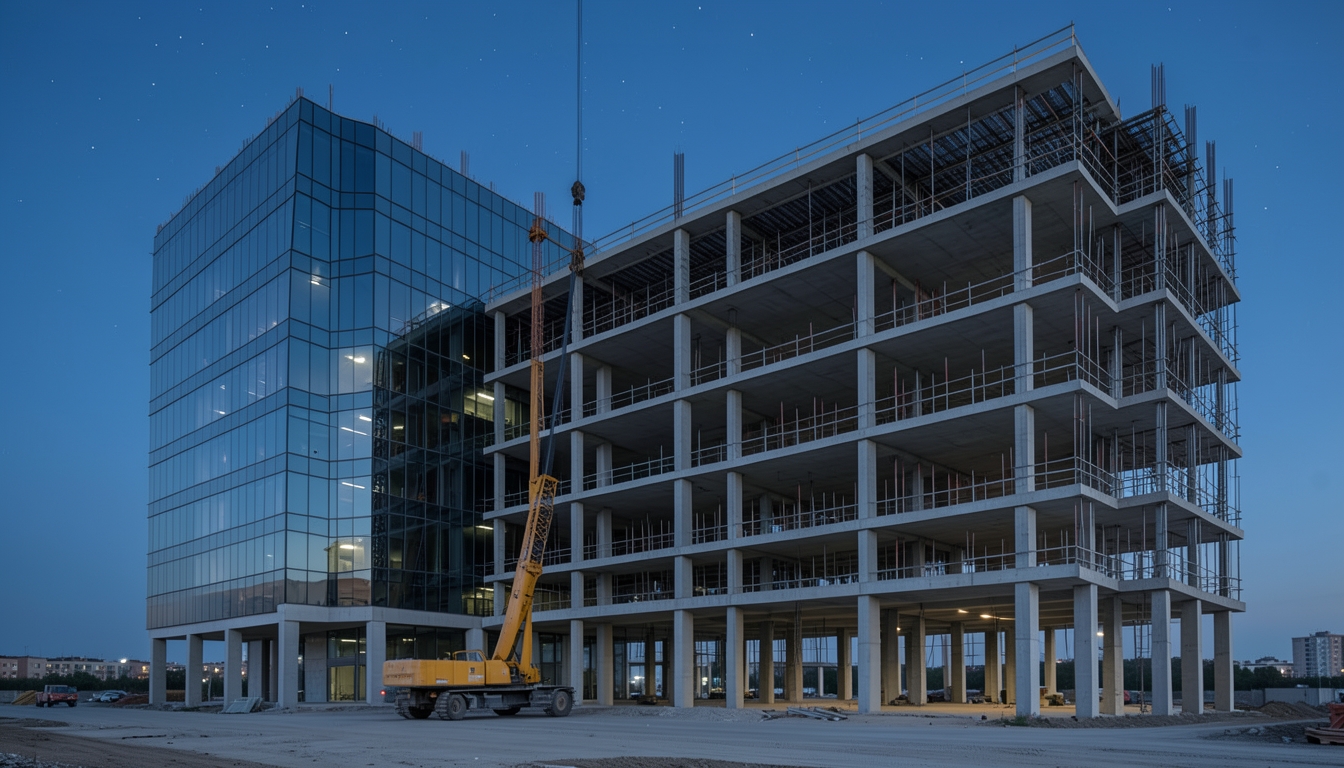


Real Estate · Analysis
Apartment, retail and data-center landlords edge up 2026 outlooks as home sales slow