UK inflation edges up to 3.6% as record diesel prices push motor fuels up by a third
The Office for National Statistics said core inflation was little changed at 2.8%, so the rise came from fuel and goods rather than services.
Add FinanceInTime as a preferred source on Google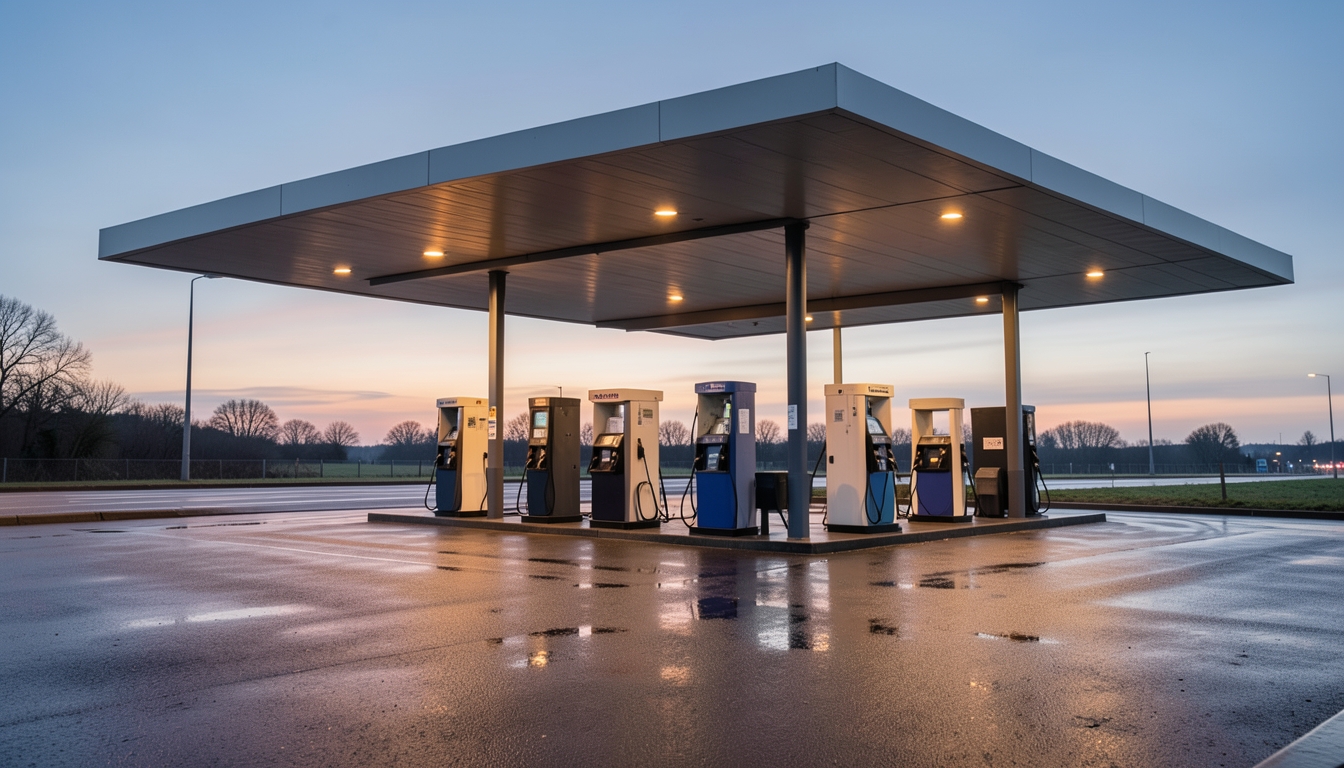
UK consumer prices rose 3.6% in the 12 months to October, up from 3.5% in September, according to the Office for National Statistics. Motor fuels did most of the work: diesel reached the highest average price since the ONS records began in 1996.
Fuel prices lifted the annual rate while restaurants and hotels held it back
The ONS said the Consumer Prices Index (CPI) rose 0.5% on the month in October, against a 0.4% rise in October 2025. The broader CPIH measure, which includes owner occupiers' housing costs, rose 3.7% over 12 months, up from 3.6%.
Transport made the largest upward contribution to the monthly change, particularly motor fuels, while restaurants and hotels made the largest partly offsetting downward contribution, the statistics office said. Prices in the restaurants and hotels division rose 3.4% over 12 months, down from 3.8%, and fell 0.4% on the month.
Diesel at 199.5 pence a litre is the highest on record
The average price of petrol rose 5.2 pence per litre between September and October, compared with a rise of 0.7 pence in the same period a year earlier. At 174.7 pence per litre, it was the highest since August 2022, the ONS said.
Diesel rose 7.0 pence per litre in October, against 1.2 pence a year earlier. Its average of 199.5 pence per litre is the highest since the ONS records began in January 1996, the office said.
Together the two pushed motor fuel prices up 33.2% over 12 months, compared with 29.8% in the 12 months to September. The ONS described this as the largest annual rise since July 2022. Prices in the whole transport division rose 7.5% over 12 months, up from 6.6%.
Core inflation barely moved
Excluding energy, food, alcohol and tobacco, CPI rose 2.8% over 12 months, little changed from September, according to the ONS. The goods component of CPIH rose 3.5% over 12 months, up from 3.2% and the highest rate since September 2023, while CPI services inflation stayed at 3.7%, little changed from September. Core CPIH, the same measure with owner occupiers' housing costs included, was 3.1%, little changed.
The rise in the annual rate sits in goods and energy rather than in services, where the annual rate was little changed.
The next consumer price release is scheduled for December 16, according to the ONS.
We would watch services and core inflation before reading fuel as a new trend
We think October's figures describe an energy shock, not yet a broad rise in prices. Core CPI at 2.8% and services at 3.7% were little changed, and the 0.1 percentage point rise in the headline rate came mainly from transport. Energy shocks are supply-side problems that a central bank can answer only imperfectly, which is why we weigh core inflation and services ahead of the headline.
The threat is that record diesel costs feed into freight and food prices over the coming months and lift services inflation as well. The opportunity is that fuel prices stop rising and the annual rate settles. We expect the headline rate to stay elevated in the next release if fuel prices hold near October's level, a forecast that depends on pump prices we cannot predict. Our view would change if core CPI or services inflation rose by a clear margin.
The view in this final section is FinanceInTime's editorial opinion, for information only. It is not investment, tax, legal or other advice, and it does not take your circumstances into account. Forecasts are uncertain and past results do not guarantee future ones.
Sources
- Consumer price inflation, UK: October 2026 — Office for National StatisticsPrimary source
More in Economy
View All Economy